
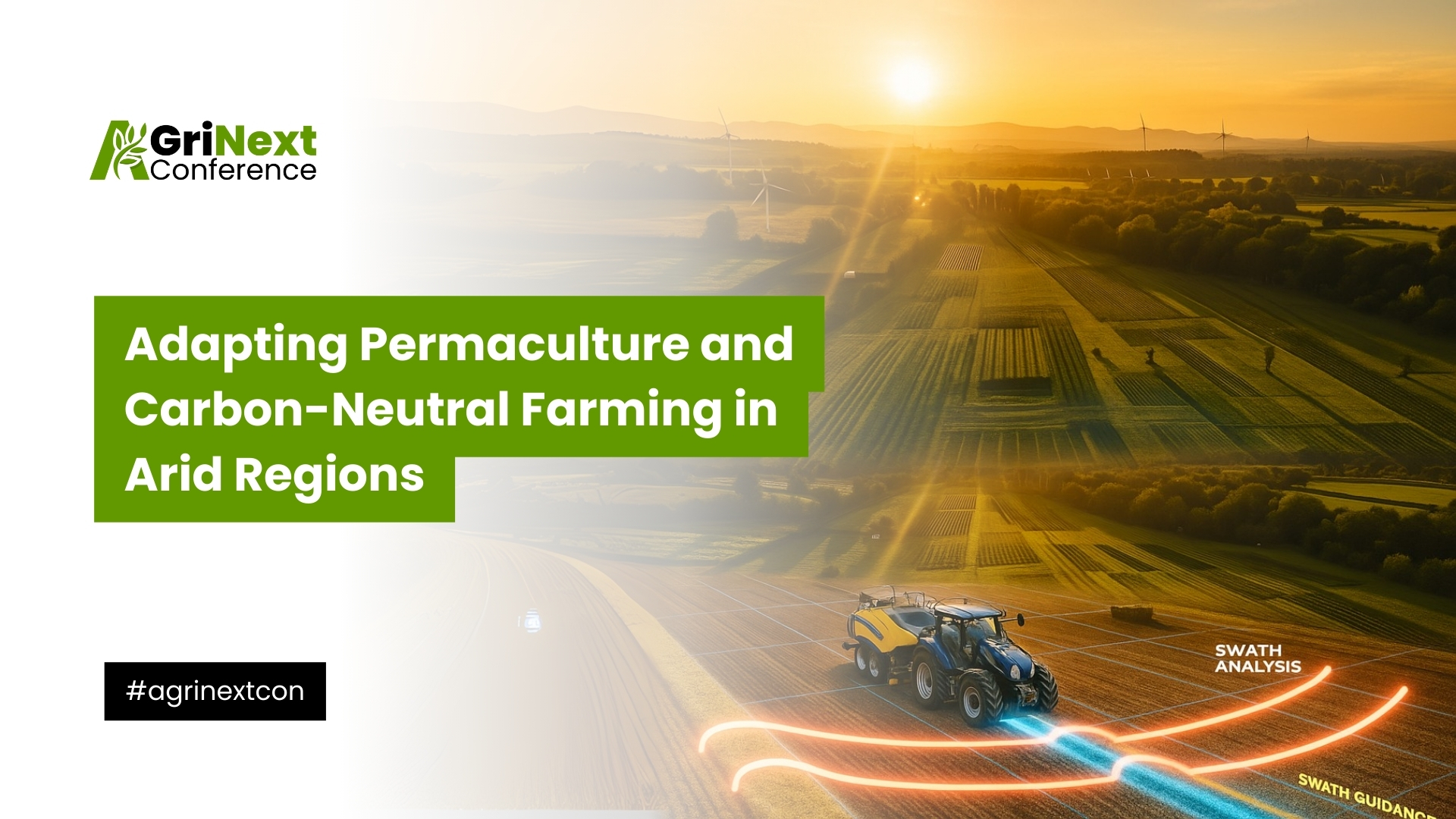
Explore how permaculture and carbon-neutral farming are transforming arid regions in the Middle East, improving soil health, water use, and sustainability.
Adapting sustainable agriculture to arid and harsh climates like those found in the Middle East requires innovative approaches that balance environmental resilience with food security. Permaculture and regenerative farming practices are proving essential in transforming deserts and drylands into productive, carbon-neutral agricultural systems.
Adapting Permaculture to Arid Regions
Permaculture utilizes natural ecosystem principles to create sustainable agricultural environments. In arid climates, it focuses on water conservation, soil restoration, and drought-resistant plants that thrive under harsh conditions. Techniques such as rainwater harvesting, greywater recycling, and earthworks help capture and retain moisture in the soil.
An effective model is the use of layered food forests, combining native and drought-adapted plants like mesquite trees, prickly cactus, and wild chiltepin. These not only provide food but also restore soil biodiversity. Communities in Afghanistan and Jordan have demonstrated improved food security and ecosystem health by integrating local and indigenous knowledge. Projects like Greening the Desert in Jordan’s Dead Sea Valley showcase how barren land can be transformed into fertile, self-sustaining systems through careful design.
Regenerative Agriculture and Carbon-Neutral Farming in the Middle East
The Middle East is embracing regenerative agriculture to combat desertification and improve soil health while reducing agriculture's carbon footprint. Regenerative practices like no-till farming, cover cropping, and biochar application enhance soil organic matter and water efficiency.
In the Gulf, precision irrigation systems and desalinated water use are expanding farmland sustainably. Meanwhile, startups are exploring carbon-sequestering technologies such as biochar, which both restore soils and generate tradable carbon credits. In North Africa, large-scale conservation agriculture programs are boosting yields while reducing erosion, creating models that can be replicated in other arid regions.
Carbon-Neutral Farming Examples and Impact
HyveGeo (UAE): Uses microalgae-based biochar to restore desert soils and sequester carbon, aiming to scale cultivation to 10,000 hectares.
Morocco's Al Moutmir program: Implements no-till farming across 32,000+ hectares, enhancing yields and reducing soil erosion.
Tourba (Morocco): Helps farmers adopt conservation agriculture practices, monetizing carbon credits and scaling these techniques across Africa and South America.
Sharjah wheat farm (UAE): Uses desalinated water with precision irrigation and biochar application to grow crops sustainably in desert conditions.
Looking Ahead: AgriNext 2025
The AgriNext Awards & Conference 2025, scheduled for November 5–6 in Dubai, is set to be a premier platform driving the future of sustainable agriculture and agritech innovation in the Middle East. This event will showcase cutting-edge advancements in precision farming, climate-resilient agriculture, and carbon-neutral farming practices tailored to arid and desert environments. Attendees, including industry leaders, policymakers, investors, and innovators, will engage in thought-provoking sessions, hands-on workshops, and an expo featuring breakthrough technologies. The conference also highlights excellence in farm sustainability through its prestigious awards, inspiring the region to embrace technology-driven solutions for resilient food systems in harsh climates.
Conclusion
Sustainable agriculture in harsh, arid climates like the Middle East depends on combining permaculture principles and regenerative farming practices adapted to local conditions. These methods improve soil health, increase water use efficiency, and support carbon-neutral farming, thereby building resilient food systems and combating climate change. The growing success of projects in the UAE, Morocco, and Jordan highlights the potential for scaling these practices worldwide.