
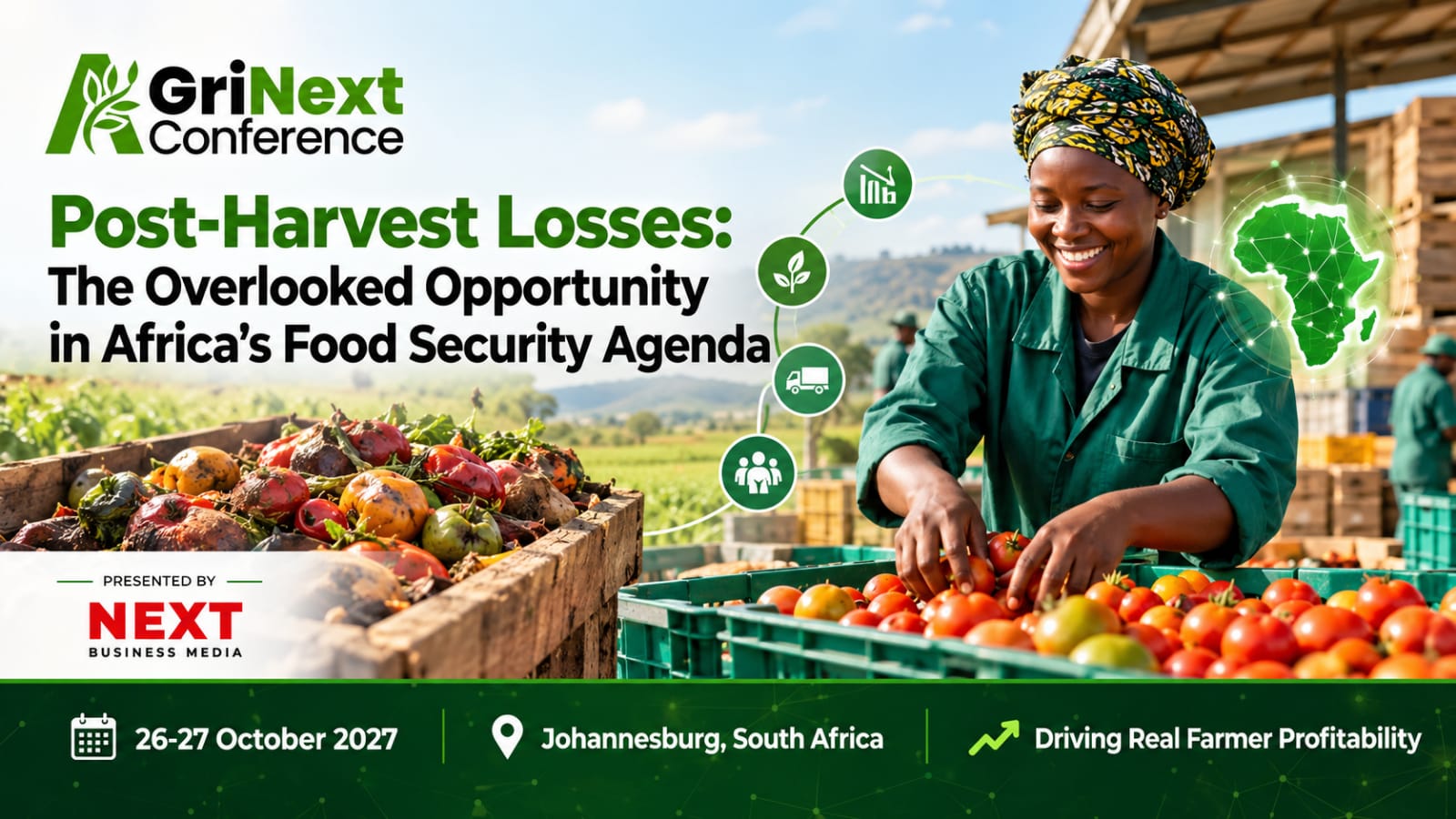
Africa’s food security conversation often focuses on better seeds, irrigation, and higher yields. Yet an important part of the solution lies after harvest. Food is lost between farms and markets because of inadequate storage, poor transport, pests, delays, and limited cold-chain infrastructure.
These losses mean reduced farmer income, less food for consumers, and missed opportunities for agribusinesses and investors. Reducing post-harvest losses can strengthen food security while making better use of the food Africa already produces.
The scale of the challenge
According to estimates cited by the Food and Agriculture Organization (FAO), sub-Saharan Africa loses approximately 20% of cereals, 40–50% of root crops, fruits, and vegetables, and 33% of fish after harvest. These figures highlight the scale of losses across different agricultural value chains.
The economic impact is also significant. Historical estimates from the FAO and World Bank valued post-harvest grain losses in sub-Saharan Africa at approximately US$4 billion annually—equivalent to the minimum annual food requirements of at least 48 million people. While these estimates vary by crop, region, and methodology, they underline the substantial economic cost of post-harvest losses and their implications for food security across the region.
Why losses happen
Post-harvest losses often result from several connected challenges across the value chain.
Poor storage: Moisture, pests, and mold can damage crops and reduce grain quality.
Weak transport links: Poor roads, long distances, and delivery delays increase spoilage.
Limited cold chains: Fruits, vegetables, dairy, meat, and fish need suitable temperature-controlled handling.
Market information gaps: Limited access to price and demand information can lead to rushed sales and reduced earnings.
Fragmented supply chains: Small, scattered harvests make aggregation, grading, packaging, and transport more costly.
These problems are interconnected. Storage alone cannot prevent losses if farmers lack reliable transport or access to buyers.
Where technology can help
Technology can improve post-harvest management when combined with suitable infrastructure and farmer support.
• Digital marketplaces can connect farmers with buyers and improve access to market information.
• Weather and logistics platforms can help cooperatives coordinate harvesting and deliveries.
• Solar-powered cold rooms can preserve perishable produce in areas with unreliable electricity.
• Hermetic storage bags and improved warehouses can protect grains from pests and moisture.
• Traceability systems can support quality control and strengthen buyer confidence.
The priority is to ensure that more produce reaches consumers in good condition while farmers retain more value from their harvests.
The opportunity for Africa
Reducing post-harvest losses can improve food availability, strengthen farmer incomes, and reduce waste of land, water, and agricultural inputs. It also creates business opportunities in storage, logistics, processing, packaging, and cold-chain services.
For agritech innovators and investors, the opportunity lies in developing affordable solutions suited to local farming conditions, partnering with cooperatives and aggregators, and measuring success through reduced losses and improved farmer earnings.
Join the conversation at AgriNext Awards and Conference Africa
Reducing post-harvest losses will be an important part of building more resilient agricultural value chains across Africa. AgriNext Awards and Conference Africa brings together agricultural leaders, agritech innovators, investors, policymakers, and farming organizations to explore solutions and opportunities across the agricultural sector.
Join AgriNext Africa to connect with the people and ideas working to turn post-harvest challenges into opportunities for growth and food security.
References
Food and Agriculture Organization of the United Nations (FAO) and World Bank– FAO/World Bank workshop publication on Post-Harvest Losses
World Bank – Missing Food: The Case of Postharvest Grain Losses in Sub-Saharan Africa