
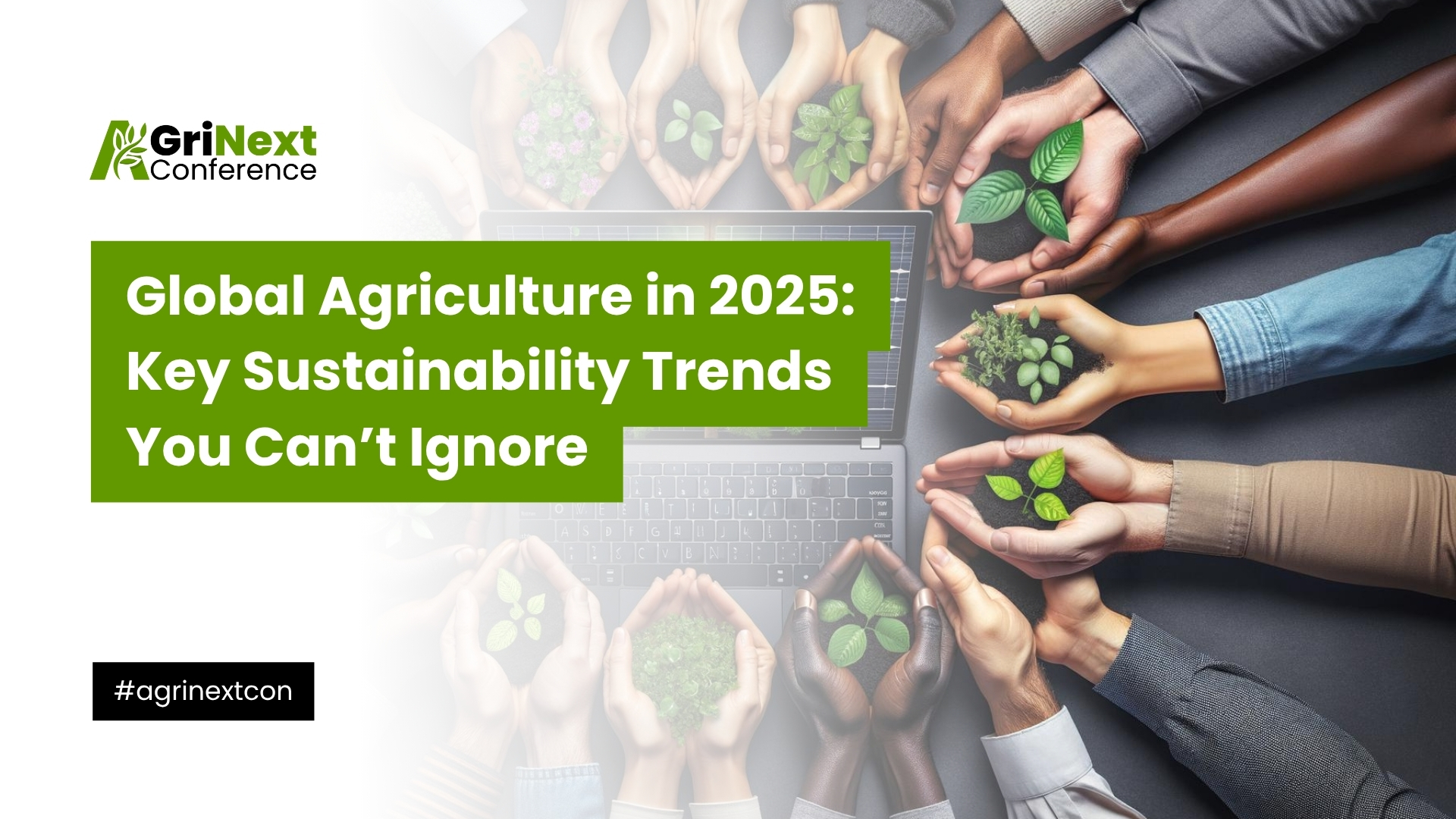
Sustainable agriculture in 2025 is rapidly reinventing itself to meet food security needs while respecting the planet’s limits. This transformation is driven by a blend of regenerative practices, advanced technology, and bold policy moves that every stakeholder—and especially farmers—should track closely. In 2025, the global shift toward regenerative agriculture and the rise of AI in farming are redefining productivity by prioritizing soil vitality, data-driven precision, and biodiversity.
Technological Advancements Fueling Sustainability
The agricultural sector is on the cusp of a technical revolution. The rise of AI in agriculture is not just a trend—it’s the backbone of precision and predictive farming in 2025. AI-driven precision farming systems deploy real-time sensors, data analytics, and digital twins to optimize irrigation, fertilization, and pest control, squeezing more yield from every hectare while shrinking the environmental footprint. Internet of Things (IoT) networks allow farmers—from California almond groves to Indian rice paddies—to manage their operations remotely, streamlining the use of water, fertilizers, and labor.
Global platforms like IoT-based soil monitors and generative AI for crop forecasting are now mainstream. In the Netherlands, vertical farms using machine vision and robotics deliver lettuce to urban supermarkets with minimal water and zero pesticides. Similar innovations are emerging in Dubai and Singapore, where limited arable land spurs investment in urban agriculture and hydroponics, drastically reducing food miles and resource use.
Regenerative and Climate-Smart Practices
Regenerative agriculture moves beyond sustainability, aiming to improve soil health, restore ecosystems, and sequester atmospheric carbon. Techniques include cover cropping, rotational grazing, and reduced chemical inputs. Australia’s grain growers are leading with large-scale regenerative trials, increasing soil carbon and biodiversity. Pollinator-friendly practices, such as planting wildflower strips alongside crops, support bees and butterflies—crucial for productivity in almond and fruit orchards.
Climate-smart agriculture combines weather data, drought-tolerant crops, and innovative insurance models to help farmers adapt to increasingly unpredictable conditions. With advances in remote sensing, farmers can now monitor carbon fluxes and soil health in real time, enhancing data-driven carbon utilization strategies. In East Africa, blockchain-driven supply chains are enabling transparent market access and resilience for smallholder farmers facing erratic rainfall.
Breakthroughs in Agriculture Biotechnology
Advances in agricultural biotechnology are reshaping sustainability by reducing dependency on synthetic inputs and enhancing crop resilience. CRISPR-based gene editing and microbial seed coatings are helping plants thrive under drought, salinity, and pest pressure. Biotech breakthroughs are also improving nutrient-use efficiency and enabling low-emission fertilizers, reinforcing the sustainability chain from soil to plate.
Circular Economy and Eco-Innovation
The circular economy is gaining traction, with agri-companies repurposing crop residues into bioenergy or animal feed. Modular biogas plants in India and France demonstrate closed-loop resource recovery, reducing both emissions and rural energy poverty.Eco-innovation stretches to packaging, with compostable films and recycled plastics gradually replacing standard materials—especially in markets driven by eco-conscious consumers.
Policy and Market Trends
Government policies in the EU, Gulf, and Southeast Asia are increasingly geared toward sustainable production. Carbon performance measurement (e.g., MRV—monitoring, reporting, verification) is guiding agribusiness investments. Sustainability certifications and carbon credit schemes are becoming more relevant for market access, especially in export-driven economies.
Real-World Examples and Impact
The UAE is investing in controlled-environment agriculture and smart irrigation as part of its national food security strategy.
In Brazil, farmers using biological pest control solutions have cut pesticide use by up to 30% while increasing yields.
France’s dairy cooperatives have launched carbon-neutral milk labels, tracked via blockchain, to appeal to climate-conscious buyers.
Conclusion
The landscape of sustainable agriculture in 2025 is both dynamic and collaborative, connecting market insight, technology, and environmental stewardship. Stakeholders who embrace these trends—AI-driven insights, regenerative models, biotech innovation, and circular systems—position themselves at the forefront of the next revolution in food and farming.
AgriNext Awards & Conference 2025
The AgriNext Awards & Conference, taking place on November 5-6, 2025, in Dubai,is set to be the premier global platform for sustainable agriculture and agri-tech innovation. The event will unite industry leaders, researchers, startups, and policymakers to explore the next frontier of farming—where technology meets sustainability.
Through technical sessions, interactive panels, and product showcases, AgriNext 2025 will spotlight key topics such as precision farming, regenerative practices, blockchain applications, AI integration, and climate-smart agriculture. Attendees will have the opportunity to connect with pioneers, exchange ideas, and experience breakthrough solutions shaping the future of global food systems.
AgriNext 2025 isn’t just another conference—it’s where innovation, sustainability, and collaboration converge to define the next era of agriculture.
Signup For AgriNext Conference Newsletter


 Reach us on WhatsApp