
Regenerative farming is no longer an experiment—it is infrastructure.
For years, critics claimed that sustainable agriculture couldn’t scale or match the yields of conventional, chemical-heavy farming. Real-world programs are now proving that claim wrong. Cargill’s “1,000 Farmers Endless Prosperity” initiative and examples from innovators across the supply chain show regenerative agriculture evolving from a niche practice into critical infrastructure while delivering measurable business outcomes.
Take İpek Zivane, a multi-generational olive grower in Türkiye. Confronted with shifting weather patterns and rising input costs, she blended her family’s 150-year farming tradition with modern data and regenerative practices. The result was neither romantic nostalgia nor risky idealism: it was a commercially viable transformation. By restoring soil biology, reducing dependency on synthetic inputs, and adopting regenerative management, İpek’s grove regained natural fertility, improved water retention, and built resilience against extreme weather. Those ecological gains translated into a clearer bottom-line story: healthier soil, more predictable yields, and stronger long-term profitability.
That story matters because it reframes how we think about biodiversity and soil health. They are not decorative add-ons to farming; they are core business assets that stabilize supply chains. Major corporates are already treating them that way. The regenerative agriculture market is projected to grow from $1.52 billion in 2025 to $5.77 billion by 2030. Global brands such as Amazon, PepsiCo, and Mars are investing heavily to secure resilient supply lines. Their participation signals a shift: climate action in agriculture is now inseparable from business continuity and risk management.
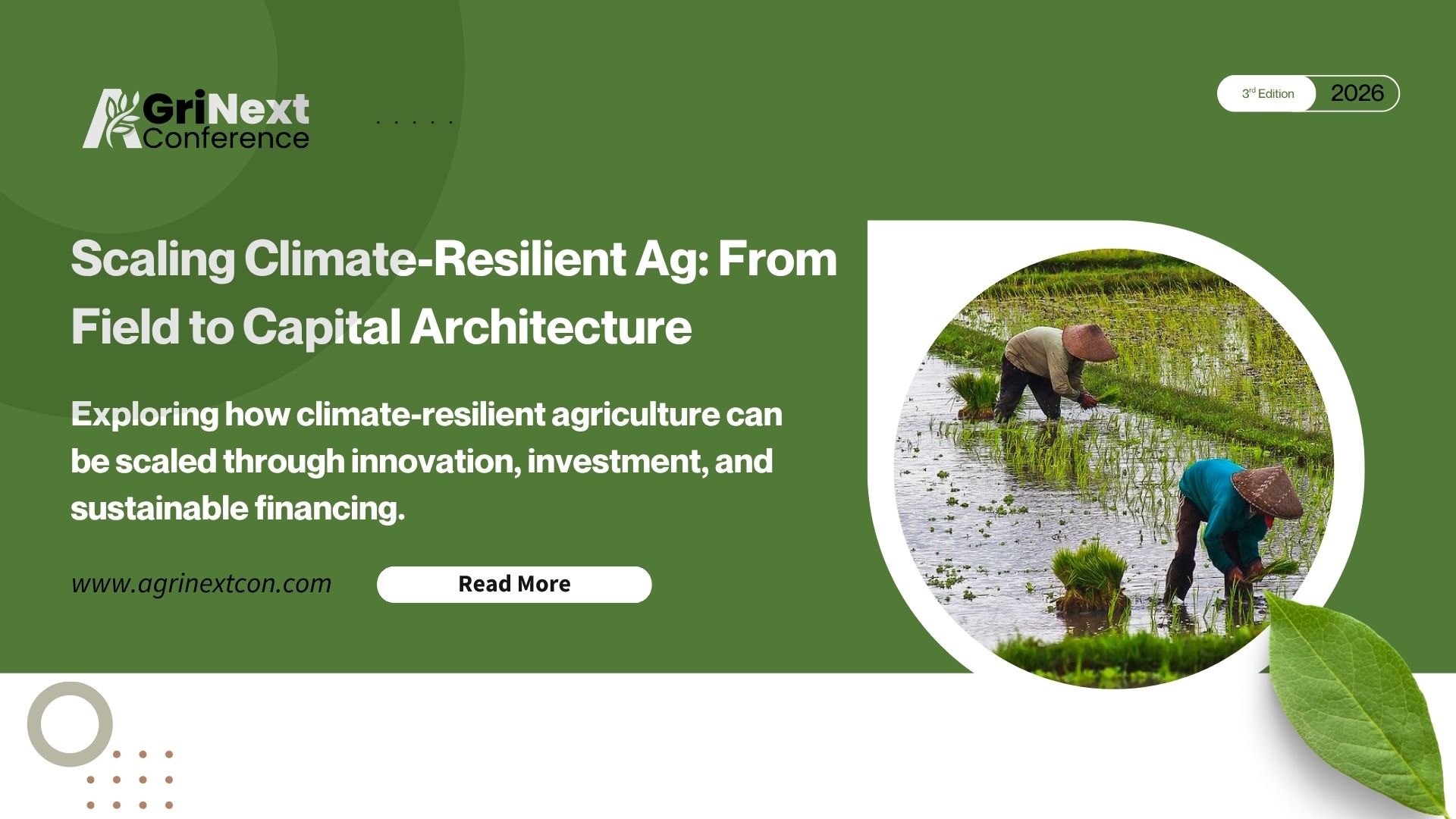
A striking case in point is Amazon’s $30 million carbon offtake commitment with The Good Rice Alliance (TGRA) in India. Conventional paddy cultivation—kept continuously flooded—creates anaerobic conditions that release methane, contributing roughly 8–10% of global agricultural methane emissions. TGRA’s program helps more than 13,000 smallholder farmers across 35,000 hectares adopt regenerative water-management practices that slash emissions while maintaining productivity.
Two key practices drive the impact. Alternate Wetting and Drying (AWD) periodically drains fields instead of keeping them permanently flooded, cutting methane emissions by 30–50% without yield penalties. Direct Seeded Rice (DSR) reduces water use and soil disturbance by sowing seed directly into the soil rather than transplanting seedlings. Combined with robust measurement and high-integrity carbon financing, these changes create a double monetisation opportunity for farmers: income from rice production plus payments for verified emission reductions. In its initial phase, the Amazon–TGRA partnership will reduce more than 685,000 metric tons of CO₂-equivalent emissions—proof that climate finance is flowing directly into the soil to create predictable, resilient agricultural assets.
The implication is straightforward. Companies that treat biodiversity, soil health, and carbon reduction as operational necessities will outcompete peers who see them as optional. Farmers who adopt regenerative systems can not only reduce risk and emissions, but also capture new revenue streams and improve long-term productivity. Policymakers and investors should view these approaches as infrastructure investments: durable, productive, and essential to food-system resilience.
Regenerative farming is no longer a pilot. It is infrastructure—integral to supply-chain stability, climate mitigation, and profitable agriculture. The future belongs to organizations that value ecosystems as capital, not decoration.
Realizing that vision requires:
•Robust measurement of soil carbon, water use, and emissions reductions
•Blended finance models that de-risk adoption for smallholders and mid-sized farms
•Corporate offtake agreements that reward verified climate outcomes alongside crop yields
•Policy frameworks that align incentives across land, water, and climate goals
Events like AgriNext Awards & Conference Dubai and its expanding global network are accelerating the shift to regenerative agriculture by connecting farmers, agri-tech innovators, enterprises, investors, and policymakers. These platforms foster international collaboration, showcase scalable climate-smart solutions, and align capital with on-the-ground impact—turning soil health, water efficiency, and carbon reduction into investable assets across the global food system.
Join global innovators at the 3rd Edition of the AgriNext Awards & Conference.
Signup For AgriNext Conference Newsletter


 Reach us on WhatsApp