
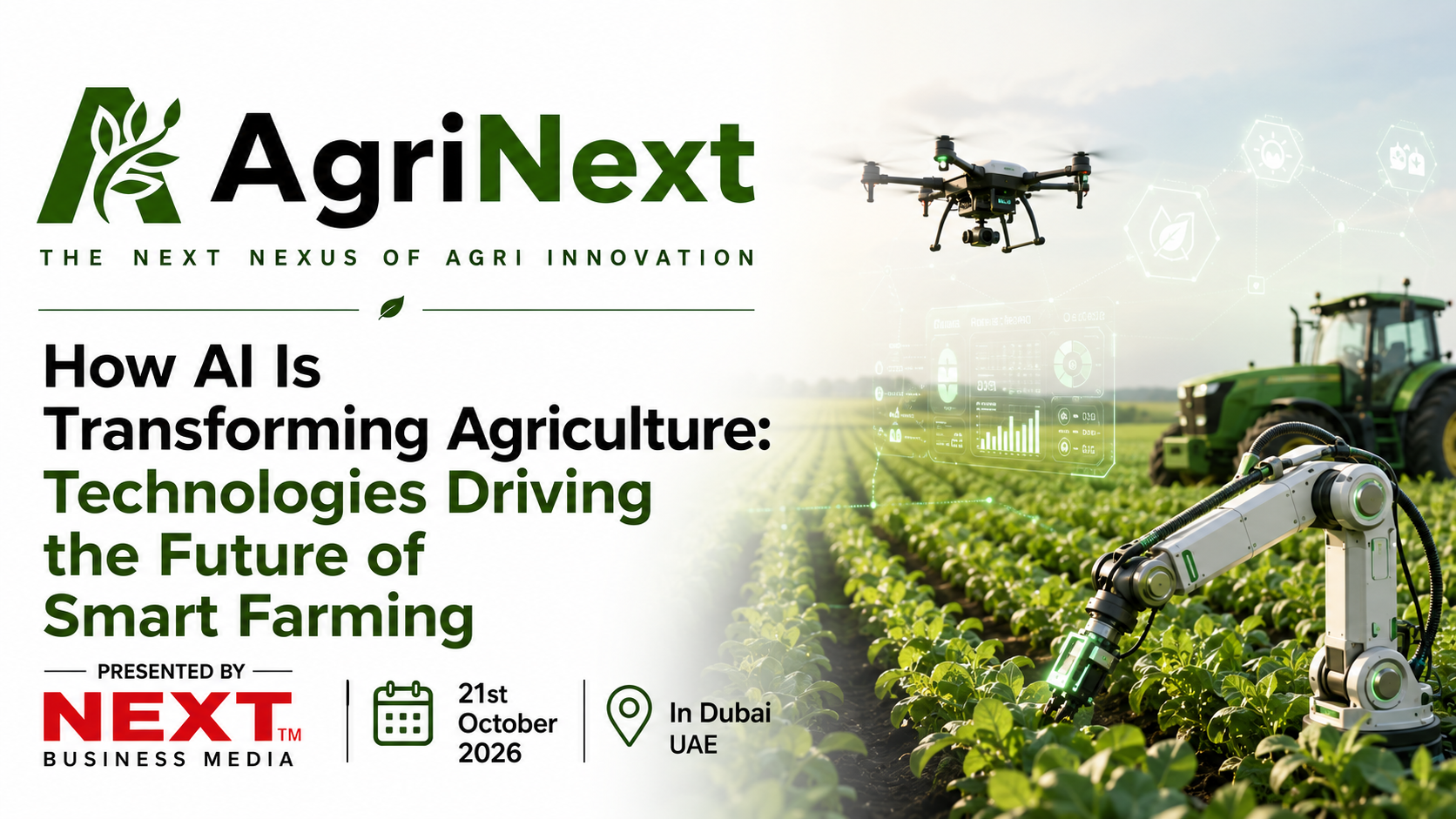
Artificial intelligence is moving from pilot projects to core farm operations—turning images, satellite data, and sensor streams into daily decisions that save water, cut chemicals, and protect yields. According to the World Bank, artificial intelligence has the potential to transform agriculture by improving productivity, strengthening climate resilience, enhancing decision-making, and promoting more efficient use of resources across the agricultural value chain. This growing momentum is driving the adoption of AI-powered technologies across farms worldwide.
As climate change, labor shortages, and rising input costs strain global food systems, AI is emerging as a practical tool to boost productivity and sustainability across the agricultural value chain. From computer vision and satellite imagery to robotics and predictive analytics, AI is enabling a new era of precision agriculture. Rather than replacing farmers, these technologies empower them with timely insights that improve efficiency while reducing waste.
Key AI Technologies Transforming Agriculture
AI-Powered Disease Detection
AI applications can identify plant diseases, pest damage, and nutrient deficiencies from images captured using smartphones, drones, or fixed cameras. Most systems rely on convolutional neural networks (CNNs) to classify leaf images and flag anomalies early, allowing farmers to take corrective action before problems spread.
Examples: Plantix and Taranis AI.
Smart Crop Scouting
Traditional field scouting is time-consuming and labor-intensive. AI-powered crop scouting platforms use computer vision and machine learning to monitor crop conditions in real time, helping growers identify issues more quickly and accurately across large areas.
Examples: AgroScout , xarvio Digital Farming Solutions.
Satellite and Drone-Based Crop Monitoring
Satellite imagery and drones equipped with AI provide continuous insights into crop health, vegetation indices, moisture levels, and field variability. These technologies help farmers optimize irrigation schedules, tailor fertilizer application, and manage fields more precisely.
Examples: FarmShots, Taranis AI.
Precision Farming and Predictive Analytics
AI analyzes field data, weather forecasts, soil conditions, and historical yield information to support better decisions throughout the growing season. Farmers can optimize planting schedules, irrigation, fertilization, and harvest timing, while also improving risk management and input planning.
Examples: Climate FieldView, Prospera Technologies.
Agricultural Robotics
AI-powered robots are increasingly performing repetitive farming tasks such as weeding, monitoring crops, and collecting field data. Automation helps reduce labor dependency while improving operational efficiency and consistency.
Example: FarmBot.
Benefits of AI in Agriculture
The adoption of AI is delivering significant benefits across the agricultural value chain:
Productivity and profitability
Better yield prediction
Optimized input use (water, fertilizers, pesticides)
Increased farm profitability
Sustainability and resource efficiency
Reduced pesticide and fertilizer use
Precision irrigation and nutrient management
Lower environmental impact and improved resource efficiency
Operational efficiency
Early detection of pests and diseases
Improved crop health monitoring
Lower labor requirements through automation
Decision quality
Data-driven planning for planting, irrigation, fertilization, and harvest
More informed, timely responses to weather and market changes
Challenges to AI Adoption
Despite its potential, AI adoption is not without challenges. High implementation costs, limited digital infrastructure in rural areas, connectivity issues, and the need for farmer training remain barriers in many regions. Beyond cost and connectivity, realizing AI’s potential will require clear data governance, interoperable platforms, and targeted support for smallholder and resource-constrained farmers.
Ensuring data privacy, security, and interoperability between digital platforms will also be important as AI adoption continues to expand.
The Future of Smart Farming
The future of agriculture will be increasingly driven by intelligent technologies. AI, combined with robotics, drones, IoT sensors, and satellite data, is helping farms become more productive, resilient, and sustainable. Next-generation systems will increasingly run AI at the edge, combine field data with market and climate forecasts, and connect to digital advisory and financial services for end-to-end farm decision support.
As these technologies continue to mature, farmers will be able to make faster, more informed decisions while minimizing costs and environmental impact.
The AgriNext Awards & Conference provides a platform for agritech innovators, researchers, farmers, startups, investors, and industry leaders to explore AI-powered solutions that are transforming modern agriculture. By fostering collaboration, knowledge sharing, and innovation, the event helps accelerate the adoption of smart farming technologies that improve productivity, sustainability, and resilience across the agricultural value chain.
Signup For AgriNext Conference Newsletter


 Reach us on WhatsApp