
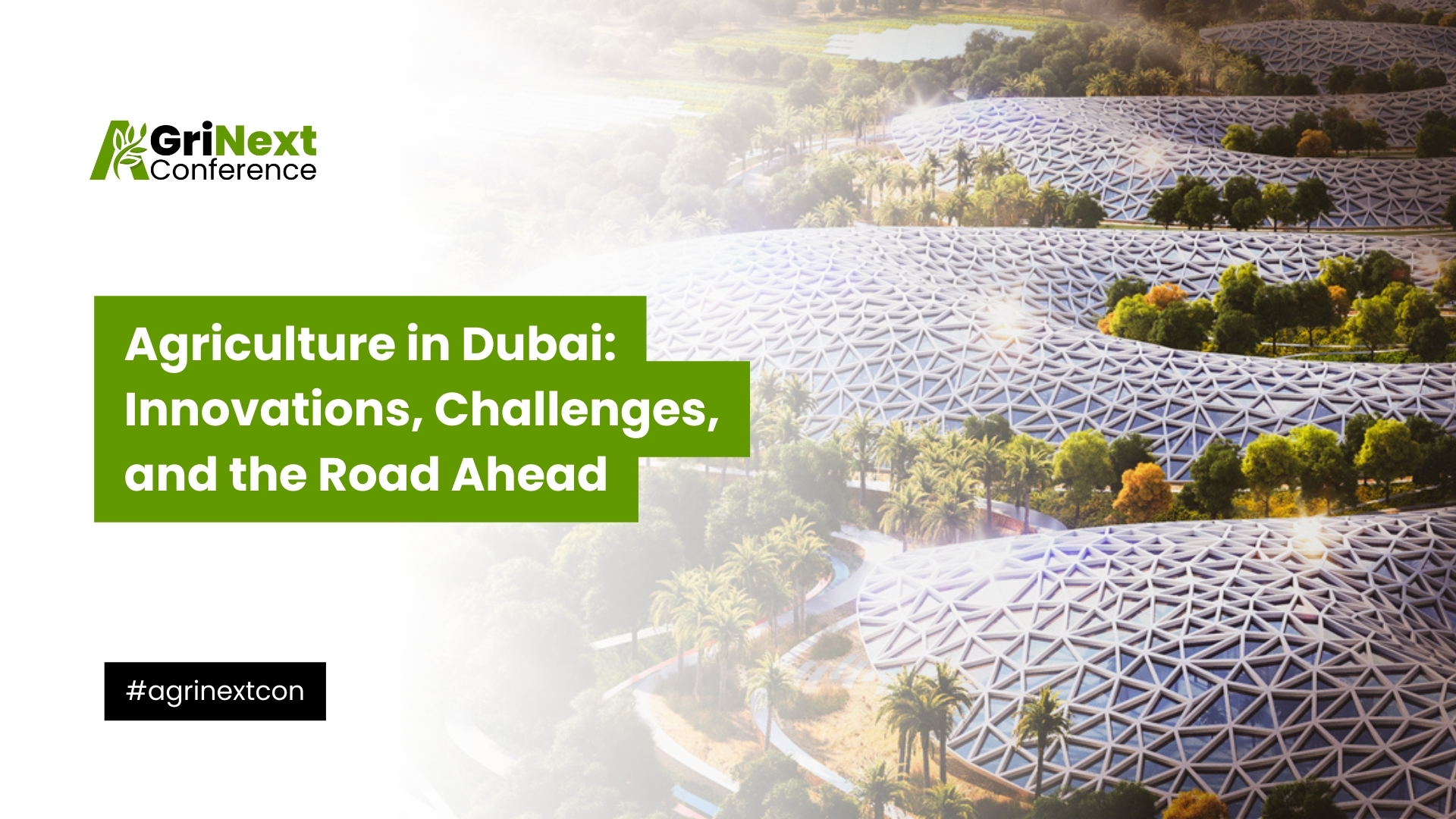
Agriculture in Dubai, and more broadly across the UAE, has experienced remarkable growth over the past few decades despite the region’s harsh environmental conditions. Traditionally, Dubai’s arid climate, limited fertile land, and scarce water resources posed significant challenges to large-scale farming. However, through targeted strategic investments and the adoption of advanced agricultural technologies, Dubai has revolutionized its food production methods and continues to innovate to strengthen food security for the future.
The Rise of High-Tech Farming in the Desert
Key Goals Driving AgriTech Growth in the UAE
Achieve long-term food security
Reduce dependence on food imports
Promote sustainable farming practices
Encourage innovation and private sector participation
Support the UAE’s vision for a diversified economy
Dubai isn’t leaning on traditional farming anymore — it’s embracing AgTech and controlled-environment systems to make agriculture viable throughout the year. Farming methods like hydroponics, vertical farming, and indoor cultivation are now revolutionizing urban landscapes by reshaping them into food-producing hubs. These methods cleverly regulate light, humidity, and temperature to offer fresh greens — such as lettuce, spinach, and herbs — with far lower water usage than conventional farming — a crucial advantage in the desert.(iGrow)
Smarter Ways to Use Every Drop
Water scarcity is the biggest hurdle for agriculture in Dubai. To overcome this, the city relies heavily on drip irrigation systems, which deliver water directly to plant roots and minimize waste. Another lifeline is desalination, though it remains energy-intensive. To address this challenge, Dubai is now experimenting with solar-powered desalination, aiming to make water use more efficient and environmentally sustainable.
Policies That Back Farmers and Food Security
The UAE’s Food Security Strategy 2051 sets forth a bold vision to establish the country as a global leader in innovation-driven food security. Dubai plays a pivotal role in implementing this strategy by providing robust support to local farmers through subsidies, technical support, and enhanced market access. Various programs aimed at connecting farmers directly with supermarkets and consumers are fostering a more resilient and integrated local food ecosystem. This comprehensive approach not only boosts domestic food production but also strengthens supply chains and reduces reliance on imports, ensuring sustained food availability for the nation. These initiatives reflect the UAE’s commitment to building a sustainable, secure food future despite environmental and geopolitical challenges
Farming Beyond the Fields: Urban and Rooftop Agriculture
It’s not just large farms driving change — rooftop gardens and community farms are also gaining traction in Dubai. These projects bring residents closer to food production, reduce dependence on imports, and encourage sustainable living in the heart of the city.
Microgreens: Small in Size, Big in Impact
One of the fastest-growing trends in Dubai’s urban farming scene is the rise of microgreens. These tiny, tender shoots are harvested just days after sprouting, yet they pack intense flavors, vibrant colors, and impressive nutritional value.
What makes microgreens so appealing is their nutrient density — often containing higher concentrations of vitamins, minerals, and antioxidants than mature vegetables. This makes them a smart addition to diets, helping address nutritional gaps while adding a gourmet touch to everyday meals.
For Dubai, microgreens are a perfect fit. They require very little space, minimal water, and grow in under two weeks, making them ideal for vertical farms, hydroponic setups, and even rooftop gardens. As a result, they’re not just a health trend but also a sustainable solution that complements Dubai’s vision for food security.
Envisioning Dubai’s Agricultural Future: Innovations Driving Sustainable Growth
Dubai’s agricultural sector is poised to advance further through the integration of cutting-edge technologies and sustainable practices that optimize resources while minimizing environmental impact. Key future pathways include:
Renewable energy: Solar-powered farms and desalination can reduce costs and carbon footprints.
AI and robotics: Smart systems can optimize crop growth and automate labor-intensive work.
Aquaponics and aquaculture: Closed-loop systems that combine fish and plants can diversify food production.
Agri-tourism: Farms opening doors to visitors can create awareness and new income streams.
Together, these innovations set the stage for Dubai to become a global model of resilient, technology-enabled, and environmentally responsible agriculture in one of the world’s most challenging climates.
AgriNext: A Catalyst for Agri-Innovation
One of the most exciting developments in Dubai’s agri-story will be the upcoming AgriNext Awards
& Conference. This annual gathering will bring together startups, researchers, investors, and policymakers to showcase breakthrough ideas in vertical farming, automation, AI-powered crop management, aquaculture, and more. By fostering collaboration, AgriNext will directly support Dubai’s vision of innovation-driven food security and will provide a stage for global leaders to shape the future of agriculture in arid regions.
Conclusion: Shaping Dubai’s Agricultural Future
Dubai has already proven that farming in the desert is possible — and not just possible, but scalable and innovative. With continued investments in AgTech, renewable energy, and community-driven sustainability, the city is positioning itself as a global model for food production in arid regions.
Of course, hurdles like water scarcity and high energy demands remain, but Dubai’s shift toward solar-powered solutions, smart farming systems, and global collaborations shows a clear path forward.
Events like AgriNext further accelerate this journey, bringing together innovators and policymakers to turn ambitious food security goals into reality.
Signup For AgriNext Conference Newsletter




 Reach us on WhatsApp