
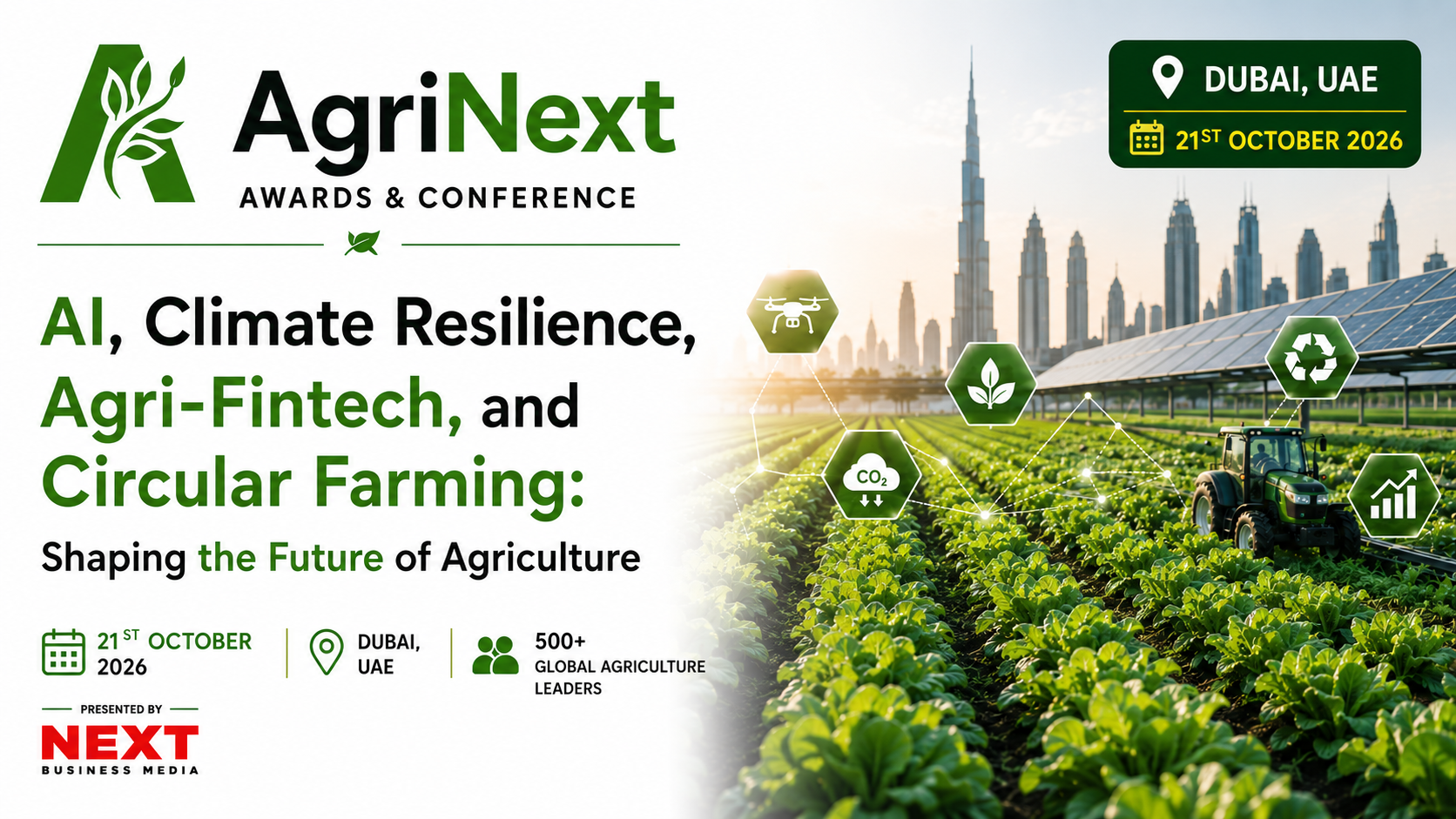
Agriculture is entering a new phase of transformation, where technology and sustainability are no longer separate conversations. AI, climate resilience, agri-fintech, and circular farming are emerging as four of the most important forces shaping the future of food systems. Together, they are helping farmers, agribusinesses, and policymakers respond to climate volatility, improve productivity, expand access to finance, and reduce waste across the value chain.
Artificial intelligence is playing an increasingly practical role in agriculture. From crop monitoring and pest detection to yield forecasting, irrigation optimization, and real-time advisory services, AI is giving farmers better tools to make faster and more informed decisions. It is also supporting climate-resilient farming by helping producers anticipate weather risks, manage stress conditions, and improve the efficiency of water and input use.
A strong example is Telangana’s Saagu Baagu initiative, which combines digital advisory services, soil testing, AI-based quality assessment, and e-market linkages to support chilli farmers. Its pilot with 7,000 farmers demonstrated how digital technologies can improve productivity, reduce input use, and strengthen connections across the agricultural value chain.
Climate resilience has become a central priority as farms face more frequent droughts, heat stress, floods, and shifting growing patterns. AI-enabled climate-smart agriculture is helping build more adaptive systems through early warning alerts, predictive analytics, soil and water monitoring, and smarter crop planning . At the same time, climate-resilient agriculture is not only about protecting yields; it is also about strengthening long-term food security, reducing environmental impact, and improving the stability of rural livelihoods.
The Microsoft–ICRISAT AI Sowing App uses weather, soil, and climate data to help farmers determine the optimal time to sow. The approach demonstrated how AI-based forecasting can help farmers manage weather uncertainty and make more informed crop-planning decisions. In its pilot in Andhra Pradesh, participating farmers recorded an average 30% higher yield per hectare.
Agri-fintech is another critical piece of the puzzle. Digital financial tools are making it easier for farmers to access credit, insurance, and risk-mitigation services, especially when they are paired with better data on farm performance and climate exposure. By improving transparency and reducing information gaps, agri-fintech can help connect smallholders and agri-enterprises to more inclusive financial ecosystems.
Circular farming adds a powerful sustainability dimension to this transformation. Instead of treating residues, waste, and by-products as disposal problems, circular approaches turn them into resources through composting, bioenergy, recycled inputs, and regenerative soil practices. This creates opportunities to reduce environmental pressure while improving resource efficiency and opening new value streams across the agricultural economy.
The real opportunity lies in bringing these four forces together. AI can strengthen climate resilience through better prediction, monitoring, and decision-making. Agri-fintech can help unlock the capital farmers need to adopt new technologies and manage risk. Circular farming can reduce waste, improve resource efficiency, and create new value streams.
At the AgriNext Awards and Conference, these themes highlight how innovation is reshaping agriculture for a more productive, resilient, and sustainable future. As the sector faces growing climate and economic pressures, collaboration between technology providers, farmers, investors, policymakers, and agribusinesses will be critical to turning these opportunities into practical solutions. Join the conversation at AgriNext and explore the innovations shaping the future of agriculture.