
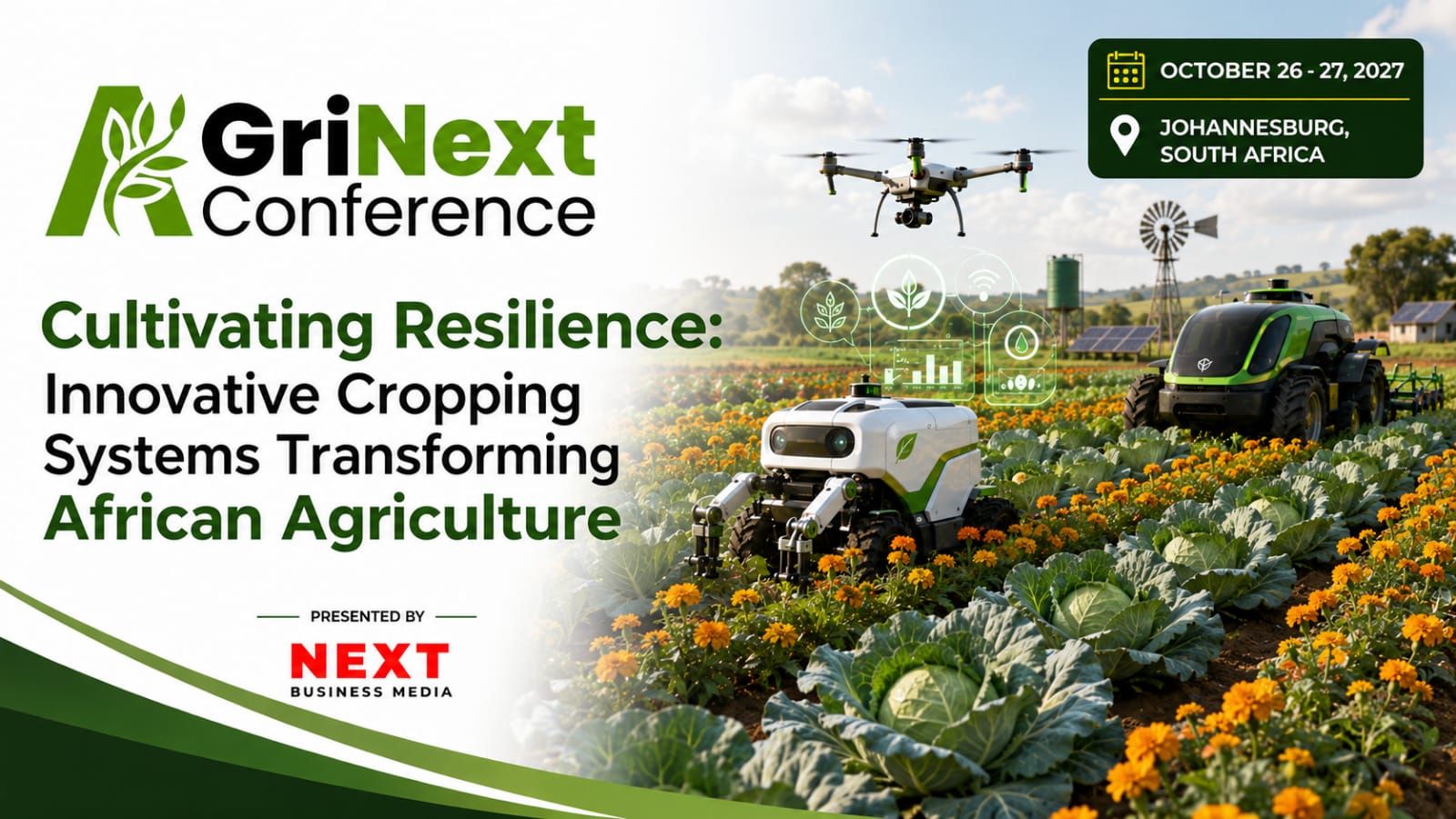
Africa’s agricultural sector is at a critical turning point. Climate change, soil degradation, water scarcity, and rising food demand are placing growing pressure on farming systems across the continent. In this environment, conventional monocropping systems alone may not provide the resilience, productivity, and resource efficiency that farmers increasingly need. The future of African agriculture will depend on farming systems that are productive, ecologically sound, and adaptable to local conditions.
Innovative cropping systems are becoming an important part of this transition. By combining crops in smarter ways, farmers can improve land use efficiency, reduce production risks, and make better use of available resources such as sunlight, water, and soil nutrients. These systems also help diversify farm output, strengthen soil health, and support more stable yields over time. For smallholder farmers in particular, such approaches can be a practical pathway toward greater food security and improved livelihoods.
One real example is marigold-cabbage intercropping in which marigold is grown alongside cabbage to make more efficient use of available land while diversifying farm production. Research has also examined the potential of this combination to support pest management, which could help reduce dependence on chemical treatments in appropriate farming contexts. Beyond crop protection, diversified planting systems can provide farmers with additional production and income opportunities, illustrating how relatively simple changes in cropping patterns can contribute to more resilient farm systems.
The significance of these approaches extends beyond any single crop combination. Across African agriculture, intercropping, agroforestry, conservation agriculture, and precision irrigation are being explored as practical approaches to building resilience. Intercropping enables farmers to grow multiple crops in complementary arrangements, potentially improving land-use efficiency and reducing the risk of total crop failure. Agroforestry integrates trees with crops or livestock to protect soils, moderate local microclimates, and support long-term productivity. Conservation agriculture emphasizes minimum soil disturbance, soil cover, and crop diversification to help protect soil health. Precision irrigation can further improve water-use efficiency, particularly in areas facing increasing water stress.
These approaches are especially relevant in a continent where many farming systems remain highly dependent on rainfall and are vulnerable to climate variability. Drought, irregular rainfall, pest outbreaks, and declining soil fertility can reduce yields and threaten farm incomes. Innovative farming systems can help farmers manage these risks by diversifying production, improving resource efficiency, and strengthening soil and water management. Rather than relying on a single production model, they encourage farming practices that are better adapted to local ecological and climatic conditions.
Another advantage is that these approaches can deliver benefits at several levels. At the field level, diversified cropping and improved soil management can help reduce erosion and strengthen soil biological activity. At the farm level, crop diversification can spread production and income risks. At the landscape level, better management of soil, water, trees, and other natural resources can reduce environmental pressure and strengthen ecosystem resilience. Together, these benefits make innovative farming approaches important building blocks for more sustainable food systems.
However, wider adoption will require more than awareness. Farmers need access to locally relevant research, practical training, extension services, finance, and reliable markets. Demonstration farms and farmer-to-farmer learning can help translate research findings into practices that work under real field conditions. Collaboration among researchers, agribusinesses, governments, extension providers, and farmer organizations will be essential to move successful approaches from pilot projects to wider adoption.
Technology can also strengthen this transition. Digital advisory platforms can provide localized guidance on planting, weather, pests, and crop management, while soil-monitoring tools can help farmers make more informed decisions about nutrients and water. Precision irrigation technologies can improve the timing and efficiency of water application. When these tools are combined with locally appropriate ecological farming practices, technology can help make resilient cropping systems more measurable, efficient, and scalable.
AgriNext Awards & Conference Africa will spotlight innovative and sustainable farming approaches, bringing together ideas, practices, and partnerships that can help shape the future of African agriculture. The platform will provide a space to discuss smarter cropping systems, resource efficiency, farmer-focused innovation, and climate-resilient approaches that can contribute to more productive and sustainable agricultural systems across the continent.