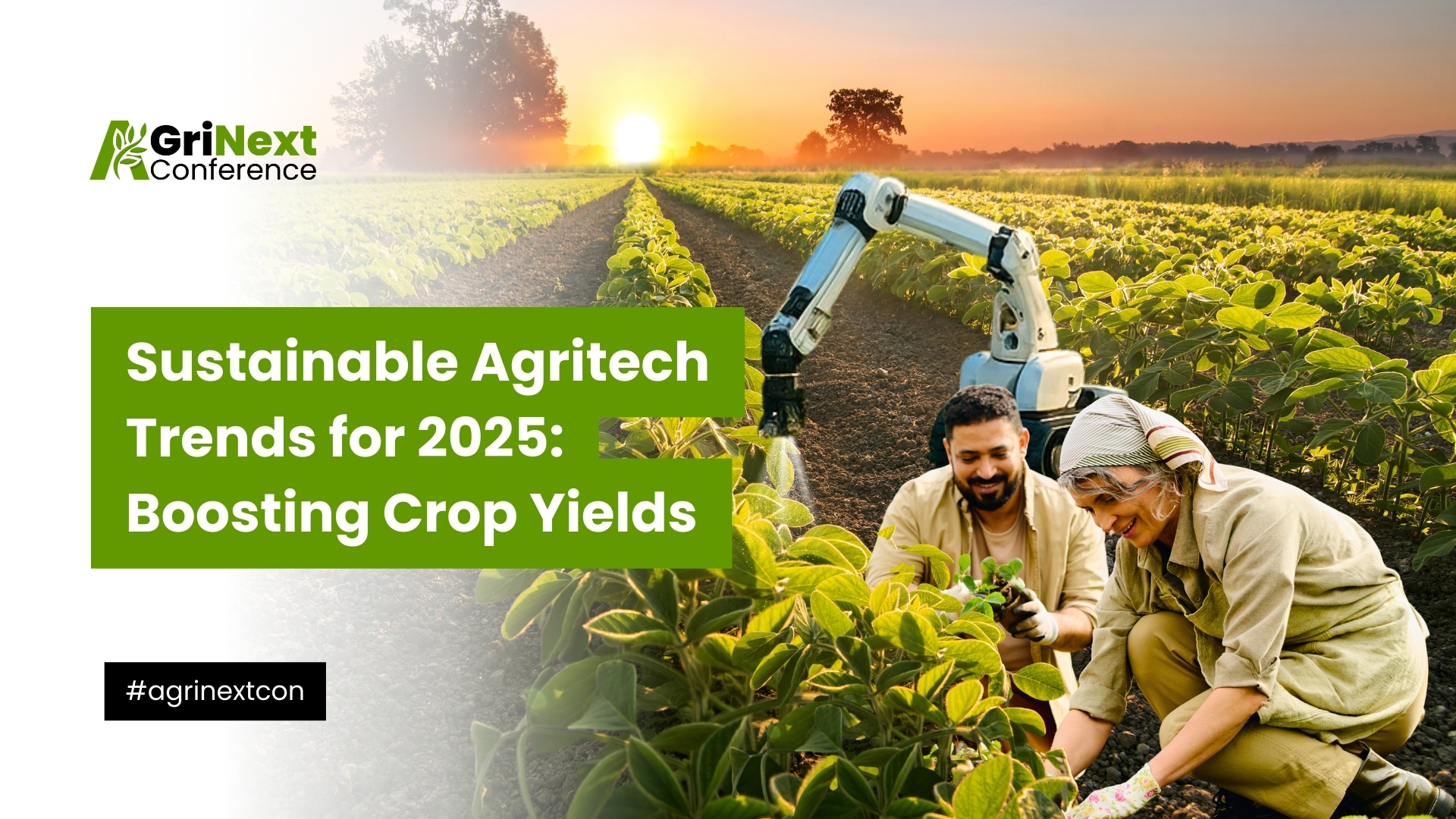
Explore smart farming, AI, biotech, and regenerative innovations boosting crop yields and climate resilience.Global agriculture is entering a decisive decade. With the world’s population projected to exceed 10 billion by 2050 and climate change disrupting food systems, farmers face increasing pressure to produce more with less.
In 2025, sustainable agritech innovations are bridging this gap—delivering smarter, more resilient ways of farming that boost yields, conserve resources, and protect ecosystems. From AI-powered farming platforms to regenerative practices, the newest wave of agritech is redefining how we feed the planet while safeguarding its future.
Key Agritech Trends in 2025
The following innovations will play a defining role in boosting crop yields while promoting sustainable farming practices.
1. AI and Precision Agriculture
AI-driven precision agriculture integrates GPS, drones, IoT sensors, and satellite imagery to provide real-time monitoring and data analytics for crops. This technology enables precise application of water, fertilizers, and pesticides, minimizing waste and enhancing crop health, leading to yield improvements of 12-20%. Farmers benefit from AI-powered weather forecasting and predictive analytics for better planning and risk mitigation .
2. Biotechnology and Genetic Improvement
Advances in biotechnology, particularly gene-editing tools like CRISPR, are producing drought-resistant, pest-tolerant, and nutrient-efficient crop varieties. These resilient cultivars maintain stable yields even under climate stress and reduce reliance on agrochemicals. By 2025, adoption of biotech-enhanced crops is forecast to drive yield improvements of 20–35%, strengthening long-term food security.
3. Regenerative and Water-Smart Farming Practices
Regenerative agriculture emphasizes soil health and biodiversity through cover cropping, conservation tillage, and compost-based amendments. When combined with water-efficient solutions like drip irrigation and moisture sensors, regenerative methods enhance soil fertility, improve carbon capture, and conserve scarce water resources. These practices not only increase productivity but also build resilience against droughts and extreme weather.
4. Drones and Remote Sensing
Drones equipped with AI-enabled cameras provide detailed aerial views of fields to detect pests, nutrient deficiencies, and disease outbreaks early. Farmers can then take targeted actions instead of blanket treatments, making interventions more efficient. This ensures better crop performance and has been shown to improve yields by 8–15% in large-scale trials.
5. Digital Farm Management and Traceability
Smart farm management platforms powered by blockchain are transforming transparency and trust in the food supply chain. By enhancing traceability, these systems reduce food loss, prevent fraud, and open access to premium markets that value sustainable production. For farmers, digital tools simplify operations and unlock long-term profitability.
6.Carbon Utilization and Climate-Smart Solutions
Agriculture is shifting from being a carbon emitter to a climate partner. Technologies like soil carbon sequestration, biochar, and
microbial carbon capture are unlocking a new dimension of sustainability. MRV (Measurement, Reporting, and Verification) tools, powered by satellite imagery and AI, help certify carbon credits, creating new revenue streams for farmers.
Biochar, in particular, enhances soil fertility while sequestering carbon for centuries, making it a dual-purpose solution.
Impact on Crop Yields and Sustainability
Collectively, these agritech innovations are delivering measurable impact. Precision nutrient management alone can boost wheat yields by up to 15%, while biotech crops offer resilience against droughts and pests. By stabilizing yields under climate stress, reducing chemical use, and monetizing ecosystem services, these tools are positioning farmers as key players in achieving global food security and climate goals.
AgriNext 2025
AgriNext 2025, one of the premier international agritech conferences, will serve as a catalyst for these future-shaping transformations. The event brings together innovators, policymakers, investors, and farmers to showcase breakthrough technologies in AI, biotechnology, precision farming, renewable solutions, and regenerative agriculture. More than a showcase, it is a global collaboration hub—where knowledge-sharing and partnerships drive climate-smart farming into action. AgriNext 2025 will play a pivotal role in designing resilient, profitable, and sustainable farming systems.
Conclusion
Sustainable agritech in 2025 blends productivity with environmental stewardship. From AI-powered precision farming to genetic innovation and regenerative practices, today’s farmers are embracing tools that optimize yields, cut waste, conserve natural resources, and create climate resilience. With growing emphasis on transparency, digital solutions, and carbon-smart strategies, the agricultural sector is shifting into a new era of sustainability. Feeding 10 billion people by 2050 will require innovation and collaboration—AgriNext 2025 stands at the forefront of that mission.
References
1. ROBOVISION: Top Agricultural Trends in 2025
2. ICL: 4 Key Agriculture Trends To Watch Closely In 2025
Signup For AgriNext Conference Newsletter




 Reach us on WhatsApp