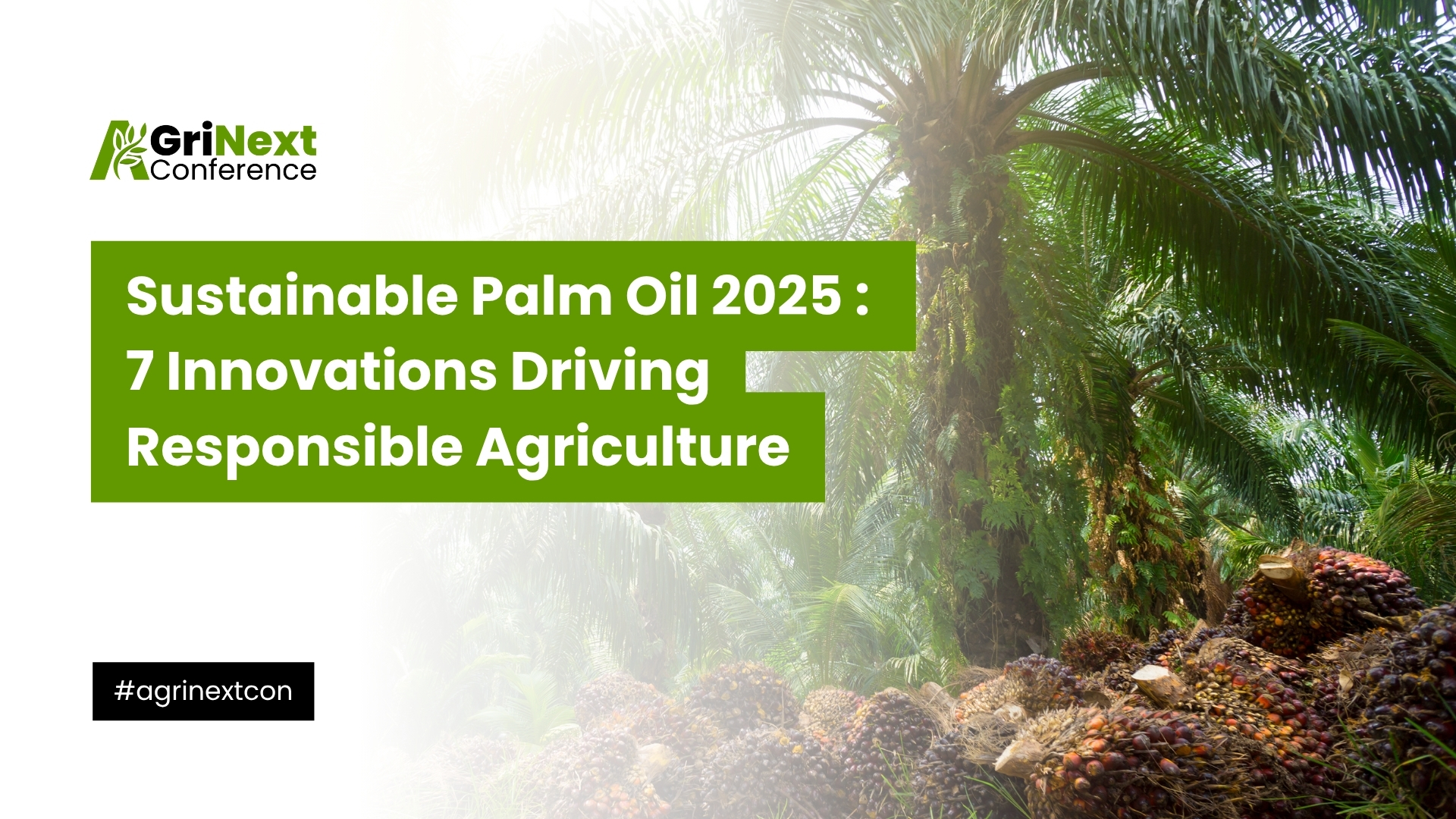
Palm oil remains one of the world’s most in-demand crops, but concerns over deforestation, biodiversity loss, and unethical labor practices have sparked a wave of sustainable innovation. By 2025, new technologies and inclusive models are redefining how palm oil is produced, sourced, and monitored. Here are seven groundbreaking strategies reshaping the future of palm oil—and setting a global benchmark for responsible agriculture.
1. Satellite-Based Monitoring and Traceability
Satellite technology now tracks palm plantations in real-time, helping companies verify that new planting doesn’t encroach sensitive rainforests. These systems also enable independent audits to confirm deforestation-free practices.
Unilever and Nestlé have partnered with tech startups using satellite imagery and machine learning to map palm oil concessions and monitor forest integrity across Indonesia and Malaysia. Nestlé’s Starling platform and Unilever’s NDPE dashboard are prime examples of technology-driven transparency.
2. Blockchain for Supply Chain Transparency
Blockchain is revolutionizing traceability, making “deforestation-free” claims verifiable by regulators and buyers alike. Brands such as Unilever have piloted blockchain solutions through SAP GreenToken, allowing each batch of palm oil to be traced from plantation to refinery.
In the UAE, blockchain adoption is helping importers align with evolving sustainability standards and consumer expectations. This digital proof of origin is strengthening buyer confidence and promoting fair, responsible trade across global markets.
3. Agroforestry Systems
Agroforestry integrates palm oil production with trees, crops, and livestock, mimicking natural forests and enhancing biodiversity.
Farmers in West Africa are increasingly using this approach to diversify income sources—combining palm oil with cocoa, bananas, and timber—and create resilient production systems that store more carbon and protect soil health.
4. Waste-to-Resource Innovations
Palm oil mills are adopting zero-waste solutions by converting by-products such as husks, fibers, and empty fruit bunches into bioenergy or animal feed.In Malaysia, bioenergy plants powered by palm waste supply thousands of homes with clean electricity—transforming what was once a pollutant into a profitable, circular resource.
5. Eco-Friendly Inputs: Biostimulants and Biologicals
Replacing blanket chemical inputs with biostimulants and targeted biological pest control is improving yields and reducing pollution. Trials in Thailand and the Philippines have demonstrated notable yield improvements and healthier soil microbiomes. These natural solutions also reduce chemical runoff, supporting long-term soil fertility and water quality in palm-growing regions.
6. Certification Upgrades: RSPO and Beyond
The Roundtable on Sustainable Palm Oil (RSPO) has introduced stricter social and environmental standards, requiring digital compliance reporting and encouraging smallholder participation.
Meanwhile, new regional certification schemes in Asia—including Singapore-based zero-deforestation initiatives—are pushing the bar higher for sustainability audits and traceability. Together, these frameworks promote accountability, equity, and continuous improvement across the global supply chain.
7. Community-Based Monitoring and Incentives
Mobile applications now empower local communities to report illegal logging, land misuse, or wildlife sightings directly from the field. Smart contracts and digital wallets offer financial rewards for verified eco-friendly practices, ensuring that sustainability incentives reach the grassroots.
For example, Dutch supermarkets and Malaysian producers are driving mutual accountability—retailers increasingly restrict shelf space to certified sustainable products, motivating producers to comply faster. The UAE is witnessing similar trends as major retailers prioritize RSPO-certified imports.
Conclusion
2025 marks a pivotal shift toward responsible palm oil, powered by advanced technology, empowered communities, and improved certification systems. These innovations not only reduce environmental impact but also offer a scalable blueprint for other global commodities striving to balance productivity with planetary stewardship.
AgriNext Awards & Conference 2025
Explore the future of sustainable palm oil and agricultural innovation at AgriNext Awards & Conference, November 5-6, 2025, in Dubai. The event will bring together agritech innovators, producers, regulators, and global brands to showcase cutting-edge solutions, policy trends, and next-generation supply chain models. Attendees will gain insight into traceability tech, eco-inputs, and community-driven sustainability—making AgriNext a key hub for anyone shaping the future of sustainable commodity agriculture.
Signup For AgriNext Conference Newsletter




 Reach us on WhatsApp