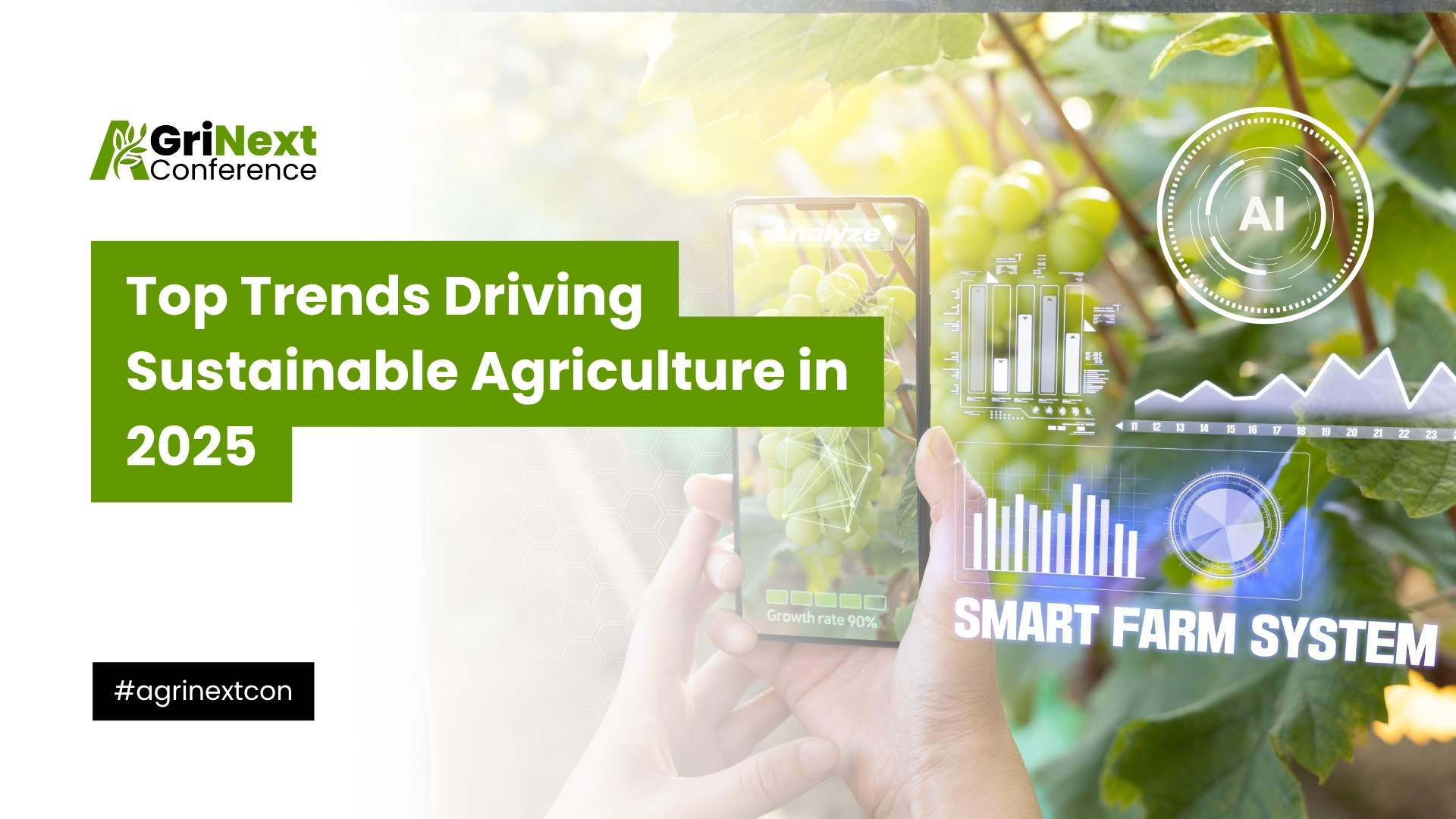
Sustainable agriculture in 2025 is being transformed by technological advancements, regenerative practices, and eco-innovation. With the global population expected to reach 8.2 billion and climate pressures intensifying, farmers and agribusinesses are reimagining farming systems to ensure food security, resource efficiency, and environmental resilience .
Rise of AI and Data-Driven Farming
Artificial intelligence has become the cornerstone of sustainable farming. Advanced algorithms now analyze soil health, weather data, and crop performance to deliver precise, real-time insights. This allows farmers to optimize irrigation, fertilizer use, and pest control while minimizing waste.
In India, AI-driven precision systems are reportedly increasing crop yields by up to 20% through smarter decision-making . Globally, AI technologies are also being embedded in farm drones, robotic harvesters, and automated monitoring tools that enhance productivity and reduce human labor requirements .
Expansion of Regenerative Agriculture
Regenerative agriculture has gained momentum as one of the most impactful sustainability models of 2025. This holistic approach focuses on restoring soil biodiversity, increasing carbon sequestration, and improving water retention capacity. Practices like crop rotation, composting, reduced tillage, and cover cropping have proven to reduce erosion and enhance resilience against climate variability. Such methods not only restore degraded land but also improve long-term crop yield stability and profitability .
Growth of Controlled Environment Agriculture
Innovations in controlled environment agriculture (CEA)—including hydroponics, aquaponics, and vertical farms—are redefining how and where food is grown. These systems allow year-round production using up to 90% less water and eliminating the need for chemical pesticides.
In the Middle East, where arid conditions challenge traditional farming, CEA has become a cornerstone of food security. Dubai’s Bustanica, the world’s largest vertical farm, produces over one million kilograms of leafy greens annually while using 90–95% less water than conventional methods. Powered by renewable energy and advanced climate-control systems, Bustanica stands as a global model for sustainable innovation in desert agriculture.
Adoption of Renewable and Circular Systems
The push for renewable energy and circular economy principles is reshaping agricultural operations in 2025. Solar-powered farms are becoming increasingly common, using photovoltaic systems to drive irrigation, cooling, and automation efficiently.
Projects such as the Noor Abu Dhabi solar initiative demonstrate how clean energy supports local food systems and reduces carbon emissions. Meanwhile, circular farming practices — including wastewater reuse, biogas generation, and organic waste recycling — are closing nutrient loops, reducing emissions, and promoting self-sufficient farm ecosystems.
Rise of Digital and Blockchain-Based Agri Platforms
Digital transformation continues to enhance traceability, efficiency, and inclusion in agriculture. Blockchain-based supply chains provide transparent, tamper-proof records that verify the origin and sustainability of agricultural products.
Additionally, mobile-based agri platforms and IoT-enabled ecosystems are connecting farmers with suppliers, digital lenders, and global buyers — creating fairer, more data-driven markets. These innovations not only empower smallholders but also integrate sustainability and accountability across the agricultural value chain.
Dubai as a Model for Arid-Region Sustainability
Dubai has become a living example of how innovation can transform even the harshest environments into hubs of agricultural productivity. With the help of AI-guided climate control, hydroponic systems, and solar infrastructure, the city is reducing import dependency and cultivating fresh produce sustainably year-round.
Farms such as Pure Harvest Smart Farms and Greenheart Organic Farms blend advanced data analytics with renewable infrastructure — turning the desert into a thriving ecosystem of smart, sustainable food production.
AgriNext 2025: Where Innovation Meets Sustainability
As the global agricultural sector moves toward a climate-smart and technology-driven future, platforms like AgriNext are leading the charge. The AgriNext Awards & Conference 2025, to be held in Dubai, will bring together world-class experts, startups, and policymakers to explore next-generation farming innovations — from AI and digital transformation to vertical farming, regenerative systems, and circular models.
By fostering dialogue and collaboration, AgriNext is empowering stakeholders to build resilient, low-carbon, and data-driven food systems that will define the future of sustainable agriculture.
Conclusion
Sustainability in agriculture is no longer a distant goal — it’s an ongoing transformation powered by innovation, collaboration, and circular thinking. From smart farms and AI-powered analytics to renewable energy and regenerative soil care, the trends shaping 2025 are rewriting the story of food production. Events like AgriNext 2025 ensure this transformation continues — driving global agriculture toward a greener, smarter, and more equitable future.
Signup For AgriNext Conference Newsletter


 Reach us on WhatsApp