
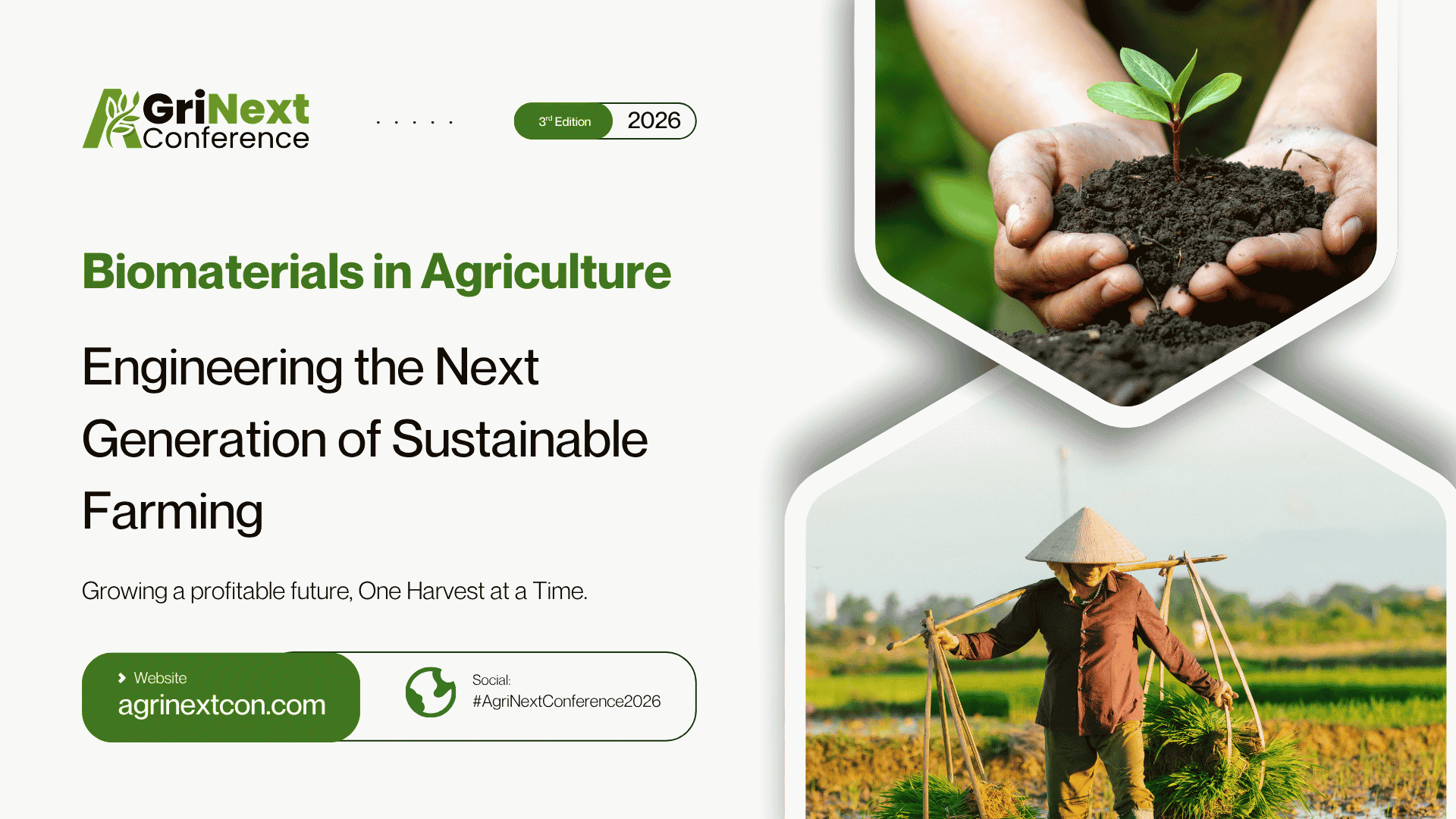
Biomaterials—engineered from natural, renewable, or waste‑based feedstocks—are quietly reshaping how food is grown, protected, and delivered. Instead of relying solely on petroleum‑derived plastics, synthetic coatings, and high‑impact inputs, agriculture is increasingly turning to bio‑based alternatives that degrade safely, reduce emissions, and support circular‑economy logic.
These materials range from biodegradable mulches and plant‑based films to lightweight, compostable packaging for perishable produce, all designed to cut waste streams while preserving yield and quality.
From Lab to Field: How Biomaterials Work in Practice
Modern biomaterials in agriculture often start with agricultural residues—straw, husks, stalks, and other by‑products—that are transformed into functional polymers, foams, or films. Innovations in polysaccharide‑ and lignin‑based materials allow engineers to mimic the performance of plastics while enabling biodegradation in soil or compost systems, reducing long‑term pollution in farmland and waterways.
Applied on the farm, such biomaterials can:
• Replace plastic mulch films with biodegradable counterparts that suppress weeds and retain moisture without leaving microplastic residues.
• Serve as smart delivery matrices for fertilizers, biopesticides, and biostimulants, enabling controlled release and reducing over‑application.
• Provide sustainable packaging that protects crops post‑harvest while aligning with zero‑waste and ESG‑linked supply‑chain goals.
Bridging Biomaterials and Sustainable Technology
Biomaterials do not operate in isolation; they fit into a broader ecosystem of sustainable technologies, including precision agriculture, digital monitoring, and bio‑manufacturing platforms. When integrated with sensors, automation, and data‑driven irrigation, bio‑based inputs and packaging can help farms optimize resource use, cut energy‑related emissions, and meet stricter environmental regulations.
At events such as AgriNext Awards and Conference 2026, biomaterials are featured as part of cross‑industry innovation, where leaders like Pekka Vallittu (Chairman & Chief Innovator at Rayo 3D Biotech) highlight how advanced 3D biotechnologies and natural‑material platforms can be repurposed for agri‑food systems—from biodegradable tooling and substrates to eco‑designed equipment and packaging.
Challenges and Opportunities Ahead
Despite their promise, scaling biomaterials in agriculture still faces hurdles: cost parity with conventional plastics, limited infrastructure for composting or recycling bio‑based waste, and the need for clearer regulatory pathways. Yet, as carbon‑intensity targets tighten and circular‑economy mandates grow, biomaterials are becoming less of a nice‑to‑have and more of a strategic differentiator for farms, processors, and retailers.
Investing in biomaterials and sustainable technologies today means building resilience against climate shocks, regulatory shifts, and consumer demand for cleaner supply chains.
What Farmers, Startups, and Policymakers Can Do
Farmers and cooperatives can pilot small‑scale trials with biodegradable mulches, bio‑based netting, and compostable packaging, measuring reductions in plastic waste and soil contamination.
Agri‑tech startups can explore partnerships with biomaterials labs and 3D‑biotech platforms to develop tailored substrates, tools, and packaging for regional crops.
Policymakers and incubators can support test‑beds, certification schemes, and blended‑finance programs that de‑risk early adoption and reward circular‑material innovation.
By placing biomaterials at the heart of the next agricultural revolution, the sector can move closer to a future where sustainability is not an add‑on, but the very material foundation of how food is grown and delivered.
Signup For AgriNext Conference Newsletter


 Reach us on WhatsApp