
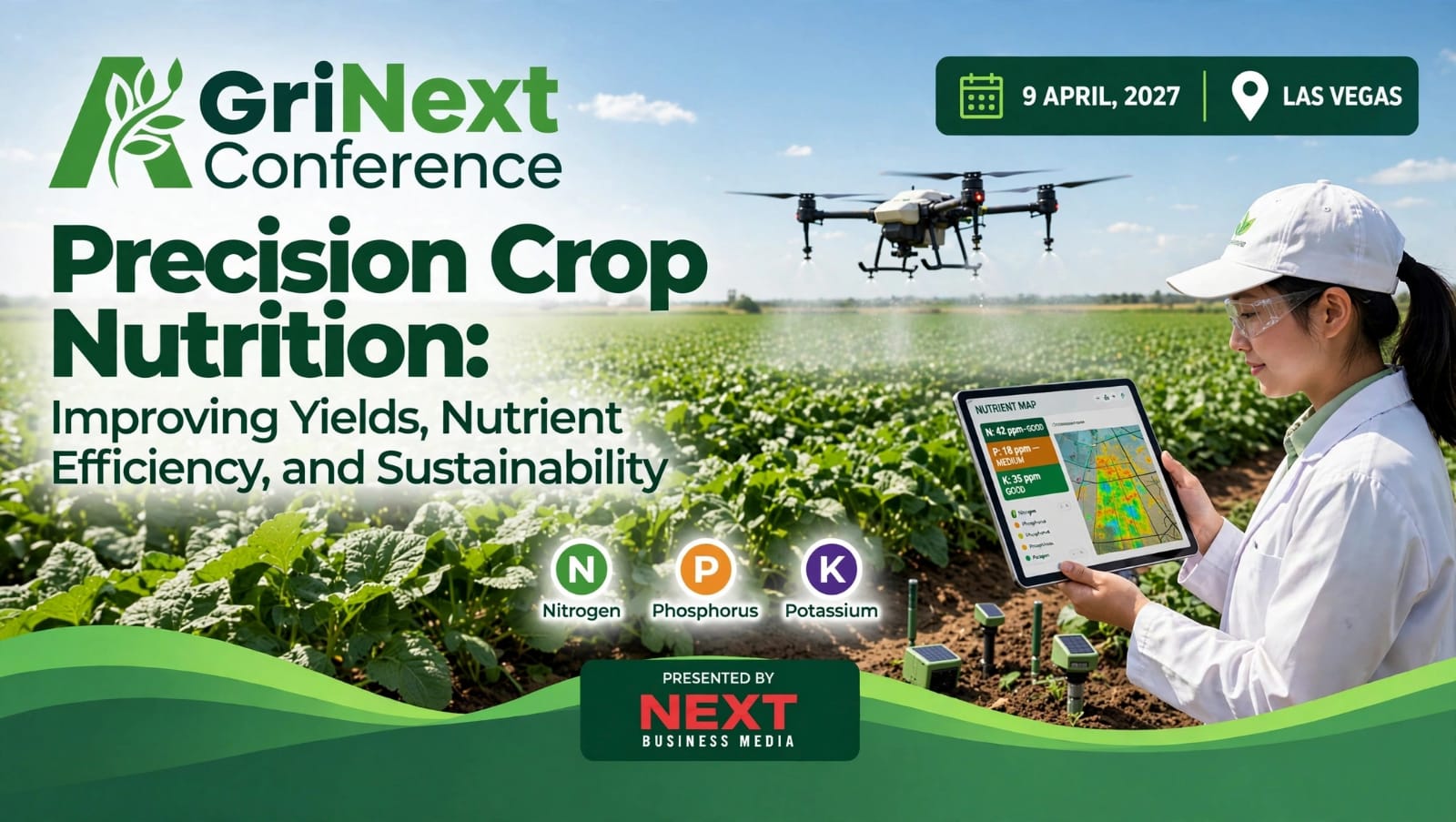
Better crop nutrition is not simply about applying more fertilizer. It is about understanding what crops need, what the soil can supply, and where additional nutrients will deliver value. Precision crop nutrition brings these decisions together, helping farmers target applications rather than treat every part of a field alike. Soil variability makes this distinction important: nutrient levels can differ because of topography, soil properties, and previous management.
For growers, the opportunity is to connect productivity with responsible input use. The goal is precision: supplying nutrients where they are needed while avoiding unnecessary applications.
Start with the Soil
Effective nutrient management begins below ground. Soil testing provides a foundation for fertilizer decisions, while sampling different areas helps reveal variations that a single field-wide sample may overlook. University of Minnesota Extension notes that multiple samples representing different areas allow more precise nutrient management.
Grid sampling divides a field into smaller sections, while zone sampling groups areas with similar characteristics. Both approaches help farmers move beyond field averages and develop a clearer picture of nutrient availability.
This information must translate into practical recommendations. The purpose of testing is not to generate more data, but to guide decisions that reflect local soil conditions and crop requirements.
Turn Field Data into Targeted Applications
Variable-rate technology allows fertilizer application rates to change across a field. Its established uses include adjusting phosphorus and potassium applications according to soil-test results. This connects identified differences in nutrient supply with more targeted application decisions.
However, technology does not automatically produce better recommendations. University of Minnesota research cautions against using yield expectations alone to determine variable-rate nitrogen applications in soils with average or above-average organic matter. A high-yielding zone does not necessarily require more nitrogen fertilizer.
The key point is that technology can apply fertilizer accurately, but sound agronomic decisions must determine how much fertilizer is needed and where it should be applied.
Give Micronutrients a Targeted Role
Precision nutrition also means looking beyond nitrogen, phosphorus, and potassium. Micronutrients are essential to plant growth, but their importance does not justify routine application everywhere.
University of Minnesota guidance emphasizes that crops require only small quantities and that additional micronutrient fertilizer may not be necessary.
A targeted approach therefore starts with evidence rather than a blanket product recommendation. Soil testing and diagnostic plant-tissue analysis can help investigate suspected deficiencies and support more informed decisions about whether additional nutrients are needed.
Connect Nutrient Efficiency with Sustainability
Nutrient efficiency and environmental protection are closely connected. Nutrients lost from agricultural fields can contribute to water pollution. The US Environmental Protection Agency identifies appropriate application rates, timing, methods, and placement as important practices for reducing nutrient losses.
Precision crop nutrition can support these efforts by matching fertilizer applications more closely to field conditions and crop requirements. Its effectiveness should be assessed through several outcomes, including crop performance, fertilizer costs, nutrient-use efficiency, and the avoidance of unnecessary applications—not yield alone.
The practical priority is to combine reliable soil sampling, locally appropriate nutrient recommendations, and accurate fertilizer application. These agronomic foundations are essential for making informed decisions and using precision technology effectively.
Explore Agricultural Innovation at AgriNext Las Vegas
Precision crop nutrition highlights a broader challenge for agriculture: turning reliable data into practical decisions that improve productivity and resource efficiency.
Join AgriNext Awards & Conference on April 9, 2027, at JW Marriott Las Vegas Resort & Spa. Connect with growers, agribusiness leaders, AgTech innovators, researchers, and investors exploring solutions for more productive and sustainable agriculture.
Register for AgriNext Las Vegas to engage with the ideas, technologies, and partnerships shaping the future of farming.