
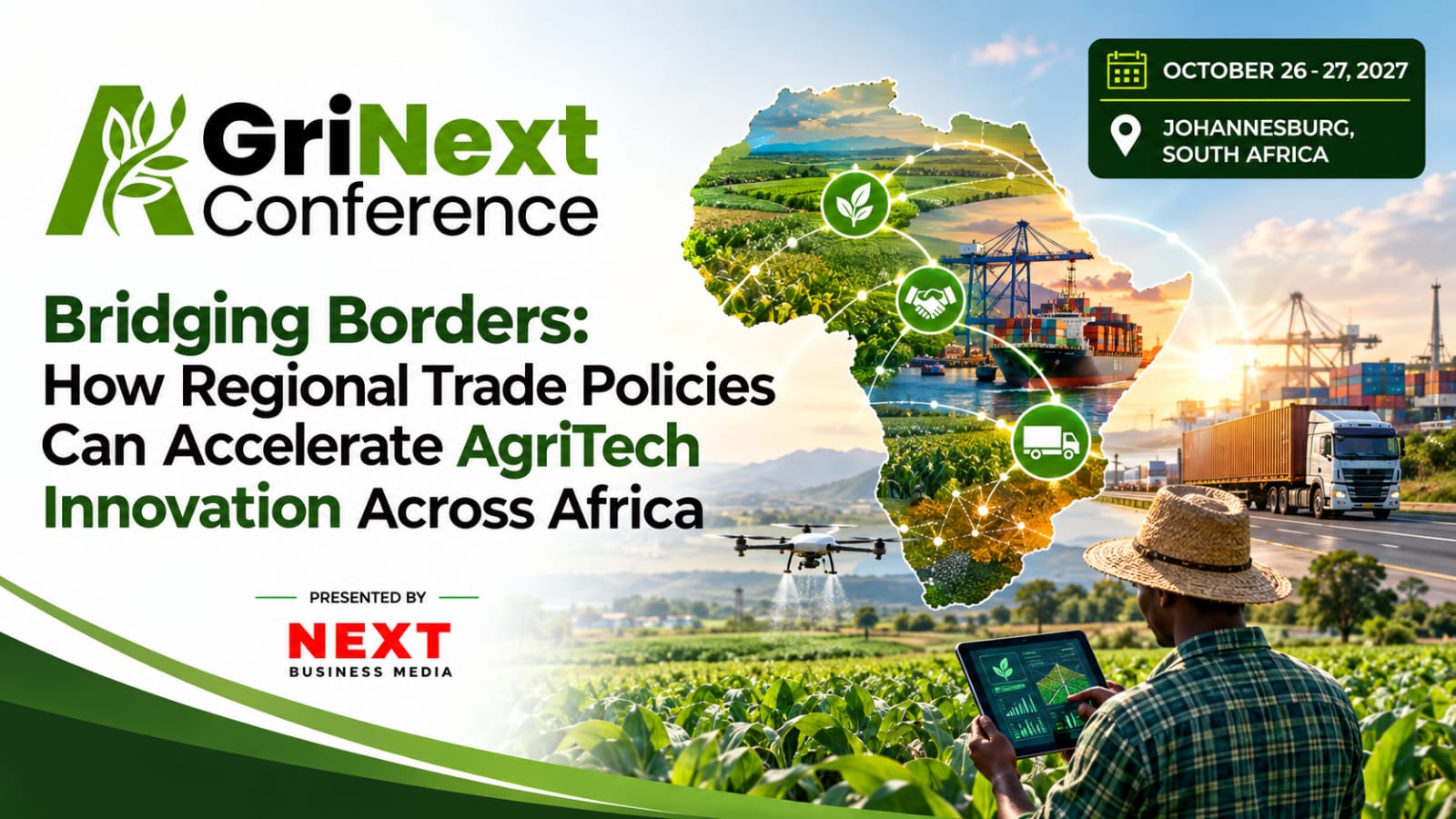
Africa is experiencing a digital agricultural revolution driven not only by traditional machinery, but also by smartphone applications, solar-powered cold hubs, satellite-guided drones, and data-driven farming tools. From Kenya’s technology ecosystem to the innovation hubs of Nigeria and South Africa, homegrown AgriTech startups are developing solutions to long-standing agricultural challenges.
Yet a major bottleneck remains: many of these innovations struggle to move beyond their home markets. For African agriculture to reach its full potential, regional trade policies must evolve into bridges that allow AgriTech solutions to cross borders as seamlessly as the challenges they are designed to address.
The Fragmented Tech Landscape
Today, an AgriTech startup looking to scale from East to West Africa can face a complex maze of different regulations. Software platforms must navigate varying data protection and privacy requirements, drone operators may face different aviation and licensing rules, while agricultural technology companies working with seeds, biological inputs, or fertilizers may need to meet separate national registration and certification requirements.
This policy fragmentation can slow growth and increase costs. Startups may have to spend valuable capital on duplicated legal and regulatory compliance instead of improving their technologies and expanding their reach. Meanwhile, farmers in neighboring countries can miss out on tools that could help protect crops, improve productivity, reduce post-harvest losses, and strengthen resilience to climate shocks.
True cross-border innovation requires more harmonized regional frameworks that make it easier for proven agricultural technologies to reach new markets.
Catalysts for Cross-Border Innovation
Several policy mechanisms are creating opportunities for greater regional integration.
The African Continental Free Trade Area (AfCFTA) provides an important framework for reducing trade barriers and creating a larger market for African businesses. Its work on digital trade and the reduction of non-tariff barriers could help AgriTech companies scale beyond national markets and reach more farmers across the continent.
Imagine a soil-testing AI platform developed in Rwanda being adapted and deployed for farmers in Zambia without having to navigate entirely separate regulatory processes from the beginning. Greater regulatory alignment could make such cross-border expansion more practical.
Mutual Recognition Agreements (MRAs) can also reduce duplication in inspection, testing, and certification. Initiatives within Regional Economic Communities such as IGAD and COMESA demonstrate how mutual recognition can support regional trade by allowing certain certifications or conformity assessments conducted in one member state to be recognized in another.
For agricultural technology and inputs, this can help reduce unnecessary delays and improve the movement of products and services across borders.
Digital customs modernization is another important catalyst. Integrated customs platforms, electronic documentation, risk-based inspections, and non-intrusive inspection technologies can reduce border delays and make regional trade more predictable. For time-sensitive agricultural products and technology-enabled supply chains, faster and more transparent customs processes can have a direct economic impact.
Cross-Pollination in Action
There are already examples of regional cooperation showing what greater policy alignment can achieve.
COMESA's harmonized seed initiatives are designed to facilitate the movement of approved seed varieties across participating member states by reducing duplication in testing and registration. For climate-resilient and improved crop varieties, such systems can help shorten the path from innovation to farmer adoption.
Regional financial integration can also support the expansion of Agri-FinTech. More interoperable digital payment systems and supportive cross-border financial regulations could allow digital lending, crop insurance, input financing, and other financial services to reach smallholder farmers in multiple markets.
Digital agricultural platforms are similarly demonstrating the value of technology-enabled distribution. Kenya’s experience with digital input and voucher systems illustrates how digitization can improve the targeting and delivery of agricultural support while increasing transparency and reducing administrative inefficiencies.
The lesson is broader than any single technology: when digital infrastructure and policy frameworks develop together, innovations can reach farmers faster and at lower cost.
The Path Forward
To accelerate AgriTech cross-pollination, regional institutions and national governments need to move from acting primarily as gatekeepers to becoming facilitators of innovation and trade.
Policy roadmaps should focus on:
• Fast-tracking digital trade frameworks that support AgriTech businesses while protecting intellectual property, data, and farmers’ rights, aligned with the AU Digital Agriculture Strategy and AfCFTA’s digital trade agenda.
• Harmonizing drone, IoT, and other emerging-technology regulations across Regional Economic Communities to reduce deployment costs and create clearer rules for cross-border operations and data flows.
• Strengthening regional AgriTech investment mechanisms, including funds and policy incentives that encourage cross-border partnerships, joint ventures, and the scaling of proven technologies.
• Reducing non-tariff barriers affecting agricultural technologies, inputs, equipment, and digital services.
• Building interoperable digital infrastructure so that farmers, businesses, financial institutions, and governments can exchange relevant information more efficiently across markets.
The future of African agriculture depends not only on innovation, but on scalability.
By building progressive and more unified trade policies, Africa can transform isolated pockets of agricultural innovation into a connected ecosystem where successful solutions move across borders, investment follows opportunity, and more farmers gain access to technologies that improve productivity and resilience.
Join the Conversation at AgriNext Africa
How can AfCFTA and regional bodies turn policy into practical pathways for AgriTech scale?
Connect with policymakers, investors, technology providers, and agricultural innovators shaping Africa’s agrifood future at AgriNext Awards & Conference – Johannesburg 2027, taking place October 26–27, 2027.
Save the date and join the conversation on the policies, technologies, and partnerships that can help bridge borders and accelerate Africa’s agricultural transformation.